EISAC Automation Delivers Siemens PLC Training at Capital University


EISAC Automation Delivers Siemens PLC Training at Capital University
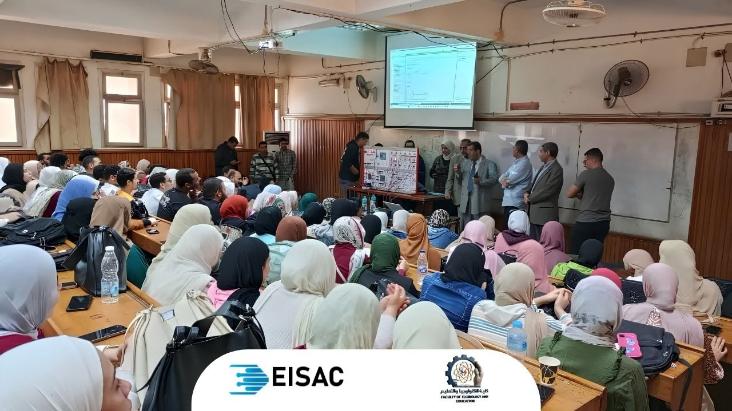
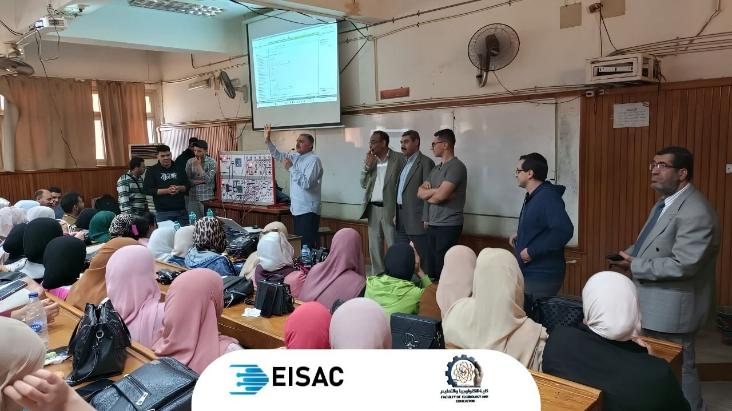
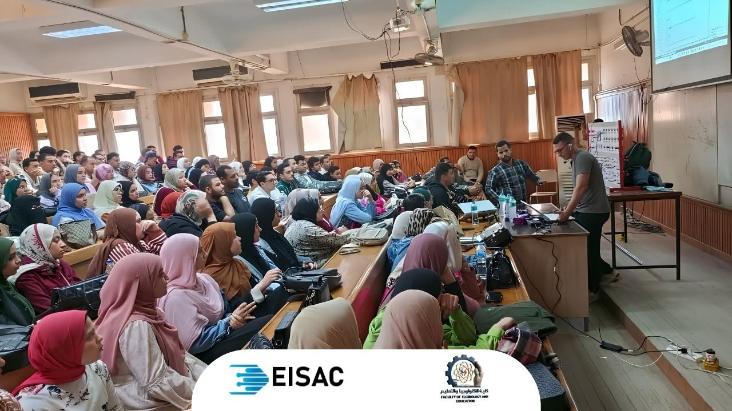
EISAC Automation organized a technical training program at the Faculty of Technology and Education, Capital University, introducing students to the fundamentals of industrial automation using the Siemens S7-1200 PLC, alongside an introduction to SCADA systems.
The training focused on practical learning and the core technical concepts students need to understand before entering the industrial job market.
The session was attended by the Dean and Vice Dean of the faculty, along with professors, lecturers, and participating students.
Introduction to Siemens S7-1200 PLC Systems
The training introduced students to the role of Programmable Logic Controllers in industrial automation and explained how PLCs are used to control machines and production processes.
Using the Siemens SIMATIC S7-1200, participants explored the basic concepts required to understand PLC-based control systems, including:
- The role of PLCs in industrial applications
- Basic PLC hardware and system components
- Digital inputs and outputs
- Control logic and program structure
- Connecting field devices to a control system
- Practical applications of the Siemens S7-1200
The session helped students understand how signals from switches and sensors can be processed by a PLC to control industrial equipment.
Introduction to SCADA Systems
The program also included an introduction to Supervisory Control and Data Acquisition systems, commonly known as SCADA.
Students learned how SCADA platforms can be used to monitor industrial processes, display operating data, identify alarms, and provide operators with a clearer view of system performance.
The introductory session explained the connection between PLC and SCADA technologies and how they work together within an industrial control architecture.
Practical Training for the Industrial Job Market
The program emphasized practical understanding and the relationship between academic engineering concepts and real industrial requirements.
Students were introduced to the way automation technologies are applied in factories and production facilities, helping them develop a clearer understanding of the technical skills expected in the job market.
The training covered key areas such as:
- Understanding industrial control architecture
- Reading inputs and controlling outputs
- Developing basic PLC logic
- Monitoring industrial processes
- Connecting PLC and SCADA concepts
- Recognizing practical automation applications
This approach allowed participants to place theoretical concepts within the context of real machines, processes, and industrial operations.
Connecting Engineering Education with Industry
Cooperation between educational institutions and industrial companies helps students understand how their academic knowledge is applied in professional environments.
Through this training at Capital University, EISAC Automation shared practical insights from the industrial automation sector and gave students an opportunity to engage directly with technologies used across modern manufacturing facilities.
The attendance of the faculty’s academic leadership, professors, and lecturers also reflected the shared interest in providing students with technical experiences connected to current industry requirements.
Supporting Future Automation Engineers
EISAC Automation continues to support engineering students through technical training, university visits, practical workshops, and educational programs in industrial automation and maintenance.
These activities help participants explore career paths and build practical awareness in areas such as:
- PLC programming and control systems
- HMI and SCADA applications
- Industrial electronics
- Servo systems and motion control
- Automation project implementation
- Industrial maintenance and troubleshooting
EISAC Automation thanks the Faculty of Technology and Education at Capital University, its academic leadership, professors, lecturers, and students for their participation and engagement throughout the training.
Frequently Asked Questions
What technologies were covered during the training?
The training covered the fundamentals of industrial automation using the Siemens S7-1200 PLC and provided an introduction to SCADA systems.
Was the training practical?
Yes. The program focused on practical concepts and demonstrated how PLC and SCADA technologies relate to real industrial applications.
Who attended the training?
The program was attended by participating students, the Dean and Vice Dean of the faculty, and a number of professors and lecturers.
Does EISAC Automation provide training for universities?
Yes. EISAC Automation cooperates with engineering faculties, universities, and technological institutes to provide technical training, workshops, and practical educational activities.